
Our Projects
TECHNOLOGY NEEDS ASSESSMENT (TNA) OF THE HEALTH CARE FACILITIES OF PAKISTAN

Summary
Initiated by the WHO, TNA was conducted at a national level, and aimed to identify, evaluate, and prioritize technological means for achieving sustainable development in the healthcare sector of Pakistan. The end result entailed in not only understanding the existing gaps in the healthcare systems but cumulated in presenting futuristic technologies that can be applied to make the healthcare systems climate resilient.
Project details
- Service Provided: Consultancy
- Theme: Climate resilient health, Technology
- Client: Confidential
- Country/region: Pakistan/Asia
- Time: 2024

Summary
CSG is providing technical support and services within the framework of the GOP and USAID coordination involving the development and refinement of Pakistan’s national methane assessment and mitigation strategies in support of Pakistan’s commitments under the Global Methane Pledge. In partnership with Stockholm Environment Institute, CSG is supporting IPCC Tier 2 emissions estimation, methane policy database and development of Training materials to support the GOP to improve the methane baseline assessment and integrate Tier 2 methane emissions into future national GHG emission inventory updates.
Project details
- Service Provided: Consultancy
- Theme: GHG inventory, methane mitigation
- Client: Confidential
- Country/region: Pakistan/Asia
- Time: 2024
Assessment Study on Global and Regional ESG Landscape - Mekong Sustainable Supply Chains Transformation and Advancement

Summary
Initiated by Mekong Institute, Carbon Smart Growth (CSG) is supporting a study aimed at assessing the challenges and capacities of SMEs in Mekong region and develop avenues to facilitate private sector’s transition and adopt Environment Social and Governance (ESG) principles to work towards sustainable growth and decarbonization in the region. CSG will conduct thorough desk reviews, key informant interviews and surveys to assess more than 150 SMEs in automotive, textiles, agriculture, and food processing sectors in Mekong region on their ESG performance and will provide Avenues for SMEs to Enhance Capacity and Improve ESG Performance. CSG will also design and deliver ESG training curriculum for SMEs.
Project details
- Service Provided: Consultancy
- Theme: Decarbonization, net zero, ESG
- Client: Confidential
- Country/region: Pakistan/Asia
- Time: 2024
Pakistan ARR Riverine Project

Summary
Our team is conducting a feasibility study for a 40,000-hectare Afforestation, Reforestation, and Revegetation (ARR) project along the Indus River in Sindh Province, Pakistan. The study focuses on preparing a comprehensive mitigation activity design document that includes a forest inventory, carbon stock assessment, technical, legal, and financial analyses, as well as risk assessments for project development. This process involves extensive engagement with provincial government departments and local communities to ensure alignment with regional priorities and stakeholder needs.
Project details
- Service Provided: Consultancy
- Theme: Carbon finance, Carbon market, Forestry
- Client: Confidential
- Country/region: Pakistan/Asia
- Time: 2024
Feasibility study for Balochistan carbon offset project

Summary
Initiated by Balochistan Public Private Partnership Authority and supported by experts from Carbon Smart Growth (CSG), this project focuses on in-depth pre-feasibility analysis to identify suitable AFOLU sector carbon market project for province of Balochistan. CSG will perform technical, financial, legal, and environmental due diligence for the proposed project and will take this project to the bidding stage under a Public-Private Partnership (PPP) framework.
Project details
- Service Provided: Consultancy
- Theme: Carbon offset, Carbon market, Forestry, Blue carbon
- Client: BPPRA Balochistan
- Country/region: Pakistan/Asia
- Time: 2024
Detailed Assessment Study of Pakhtunkhwa Energy Development Organization’s Energy Portfolio for Carbon Market Projects

Summary
Initiated by SEED and supported by experts from Carbon Smart Growth (CSG), this project focuses on establishing a comprehensive baseline of the Provincial Energy Development Organization (PEDO)’s energy portfolio in Khyber Pakhtunkhwa (KPK), Pakistan. Similar to the collaboration model in the referenced project, CSG’s technical assistance will facilitate an integrated assessment to guide PEDO and the KPK government in claiming climate proceeds and participating in carbon markets. Phase 1 entails developing a detailed inventory of carbon emissions and offsets, while Phase 2 aims to devise provincial action plans for managing short-lived climate pollutants (SLCP) and enhancing government capacity for their reduction.
Project details
- Service Provided: Consultancy
- Theme: Energy
- Client: PEDO KPK
- Country/region: Pakistan/Asia
- Time: 2024
Advisory on Pakistan Carbon Market Policy Guidelines

Summary
The Ministry of Climate Change & Environmental Coordination, Government of Pakistan, was supported in drafting the country’s first Carbon Market Policy Guidelines. Our advisors contributed by authoring key sections of the report and providing recommendations to the Government of Pakistan (GoP) to ensure the policy aligns with the nation’s NDC (Nationally Determined Contribution) and international obligations under the Paris Agreement.
Project details
- Service Provided: Consultancy
- Theme: Carbon market, article 6, policy and regulation
- Client: MoCC & EC
- Country/region: Pakistan/Asia
- Time: 2023

Summary
Initiated by EMC Pakistan Private Limited, this 16-month project engaged Carbon Smart Growth (CSG) to provide advisory services in Sindh, Pakistan. CSG advised the delivery of a range of key project components including a Technical Feasibility Report, Environment and Social Impact Assessment, Economic and Financial Viability Assessment Report, and Market Assessment Report. These services aimed to ensure project feasibility and sustainability, aligning with the requirements outlined in the Request for Proposals (RFP).
Project details
- Service Provided: Consultancy
- Theme: Carbon finance, forestry
- Client: Sindh Forest Department
- Country/region: Pakistan/Asia
- Time: 2024
Feasibility Study and Transaction Advisory Services Carbon Emission Reduction and Carbon Removal Program Through Forestation Projects (KPK)

Summary
Initiated by EMC Pakistan Private Limited, this 10-month project engaged Carbon Smart Growth (CSG) to provide advisory services in Khyber Pakhtunkhwa, Pakistan. CSG advised the delivery of a Technical Feasibility Report including baseline assessments, carbon stock evaluations, and technical viability assessments, alongside economic and environmental analyses. Additionally, CSG provided a Commercial Viability Analysis and PPP transaction structure report to enhance project sustainability and economic viability.
Project details
- Service Provided: Consultancy
- Theme: Carbon finance, forestry
- Client: Climate Change, Forestry, Environment & Wildlife Department, Khyber Pakhtunkhwa
- Country/region: Pakistan/Asia
- Time: 2024
VOLUNTARY CARBON MARKETS

Summary
A project initiated by the Ministry of Climate Change and Environmental Coordination aims to guide the establishment of a transparent, verifiable, and environmentally robust Voluntary Carbon Market (VCM) that delivers the country’s NDC commitments and targets of sustainable development. The project shall guide the establishment of a conducive governing regime to provide regulatory and political certainty to VCM transactions and establish a digital trade infrastructure to deliver greater transparency, efficiency, and risk mitigation for buyers and sellers. Another gap in the context of Pakistan exists in the familiarity of stakeholders and capacity building approaches on VCM standards and the structure of carbon credits, and it is required to scale up the participation in VCM.
Project details
- Service Provided: Consultancy
- Theme: Voluntary carbon market, article 6, policy and regulation
- Client: MoCC & EC
- Country/region: Pakistan/Asia
- Time: 2022
INTEGRATING SHORT-LIVED CLIMATE POLLUTANTS (SLCPs) REDUCTION IN PAKISTAN’S AIR QUALITY PLANS AND PROGRAM TO SUBSTANTIALLY REDUCE SLCPs IN PAKISTAN

Summary
This project aims to contribute to the following expected outcomes: Develop action plans to reduce short- lived climate pollutants (SLCP) and air pollutants. Building on Phase 1 of the SLCP work in Pakistan and consultation held on LEAP-IBC assessment, the second phase aims to build capacity of provincial governments in Pakistan to take action on SLCPs through the development of actions plans to reduce SLCPs and air pollutants. Provide updated information on plans and policies that can reduce SLCPs, the Ministry of Climate Change has agreed to incorporate the emission reduction targets suggested through this activity within its future NDC update.
Project details
- Service Provided: Communication and Coordination, Technical Backstopping
- Theme: LEAP-IBC ASSESSMENT, SLCP, NDCs
- Client: MoCC & EC, Clean Air Asia, SEI
- Country/region: Pakistan/Asia
- Time: 2023
LTS WORKSHOP

Summary
The global community has committed to reducing greenhouse gas emissions to combat climate change. Pakistan, as a signatory to the Paris Agreement, has set an ambitious goal to reduce emissions by 50% by 2030. However, it needs a long-term vision (LTV) to achieve this goal and set realistic targets for reducing greenhouse gases in the country. The LTV is being developed through a participatory, evidence-based process that involves wide stakeholder consultations, review of existing policies and plans, setting realistic achievable goals, utilizing technology tools, and fostering international cooperation. The key challenges and solutions were identified, and the prioritized sectors for immediate, medium, and long-term actions were agreed upon. The LTV will be supported by long term low greenhouse gas emission development strategies, becoming a key component in developing and finalizing realistic Net Zero targets for the country.
Project details
- Service Provided: Technical Backstopping,Coordination and Planning
- Theme: Net Zero
- Client: MoCC & EC
- Country/region: Pakistan/Asia
- Time: 2023
LONG- TERM VISION AND WORK PLAN FOR LONG- TERM LOW EMISSION DEVELOPMENT STRATEGY

Summary
The Ministry of Climate Change and Environmental Coordination has commenced the development of Long Term Vision and a work plan for Long Term Low- Emissions Development Strategy (LT-LEDS) that is aligned with the country’s Nationally Determined Contribution (NDC). The long-term vision and strategy will help in reviewing the progress made and setting up short term goals and ambitions through Nationally Determined Contributions (NDCs) every five years. This will also help to develop a rationale informed by LT-LEDS for climate finance mobilization and negotiations at international forums like Conference of Parties (COP). The activity is supported through the 2050 Pathways Platform and Germany’s International Climate Initiative (IKI) and implemented by Delivery Associates (DA) in partnership with CSG.
Project details
- Service Provided: Technical Consultancy
- Theme: LT-LEDs ,NDCs, Climate Finance
- Client: MoCC & EC
- Country/region: Pakistan/Asia
- Time: 2022
Summary
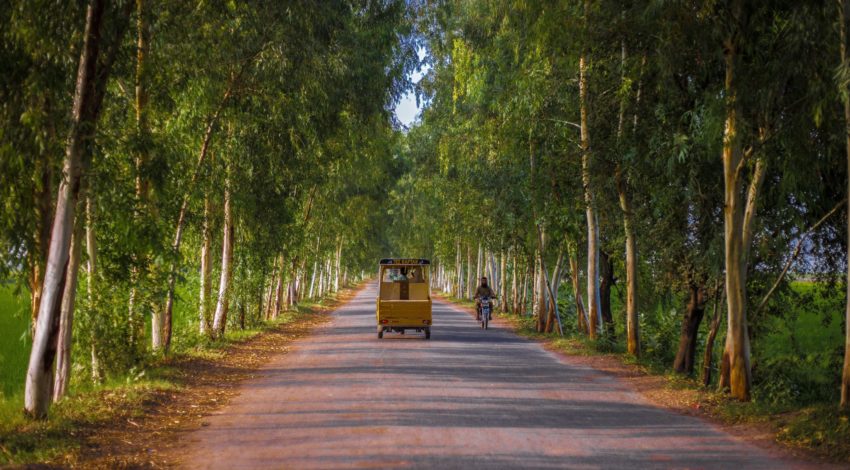
CSG served as the primary partner in this initiative with the Ministry of Climate Change and Environmental Coordination. The core activities revolve around shaping Pakistan’s trajectory towards a Net Zero future. This monumental undertaking involves the strategic implementation of Pakistan’s Net Zero Strategy through three pivotal components: the development of Provincial Action Plans, a comprehensive Financial Plan for Implementation, and a robust Monitoring, Reporting, and Verification (MRV) Plan. A key aspect of this endeavor includes conducting a quantitative assessment by modeling various pathways for different scenarios, providing crucial insights to inform the strategy’s evolution. Equally important is the endeavor to effectively communicate and garner support for the Net Zero Report and Implementation Framework within various stakeholder groups, thus fostering a shared commitment and understanding towards achieving our collective sustainability goals.
Project details
- Service Provided: Consultancy
- Theme: Net Zero
- Client: MoCC & EC
- Country/region: Pakistan/Asia
- Time: 2022
Summary
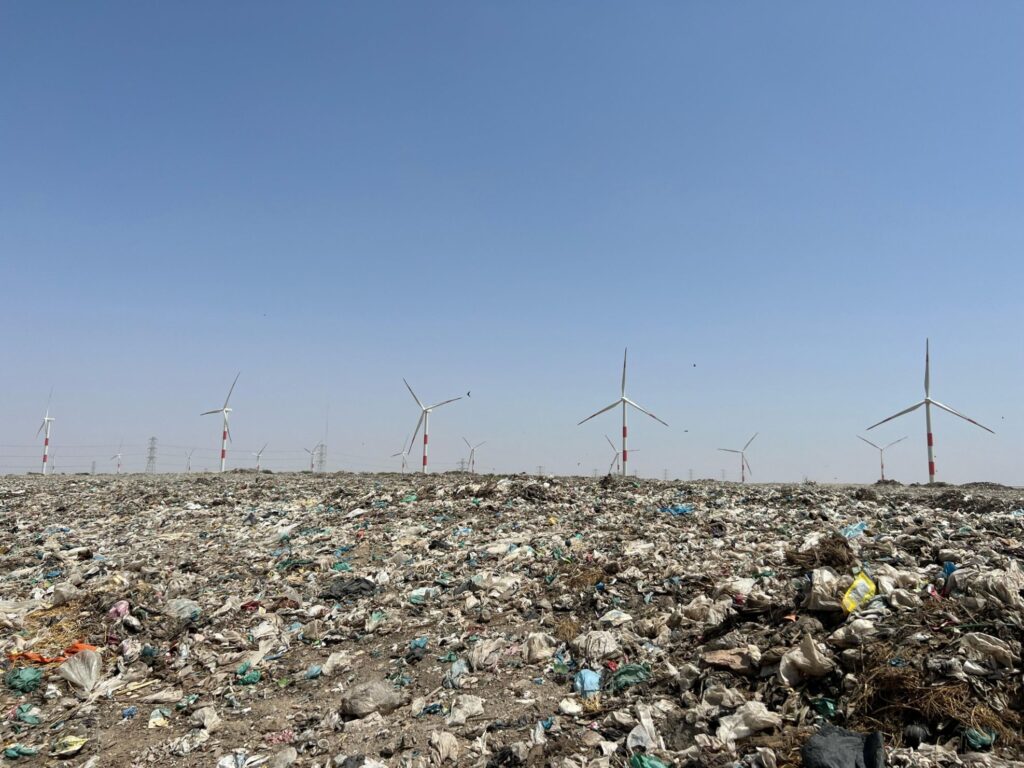
SSWMB engaged CSG as consultants to undertake a comprehensive Waste Amount Characterization Survey (WACS) for Hyderabad City. Key activities are conducting technical feasibility analysis to generate the project implementation plan including performing the environmental, legal, and financial due diligence to analyze the feasibility of the project and to develop a costed project plan, identifying key partners and finding the project impact. It will be followed by project auditing and the verification and registration with a standard regulatory body for the certification process and a body that follows the rules and requirements of the plastic standard. Awareness campaigns in local communities regarding plastic waste management along with creation of a blueprint for implementation for host countries will also be supported in this program.
Project details
- Service Provided: Consultancy(Technical)
- Theme: Carbon Market, Plastic Credits
- Client: SSWMB
- Country/region: Pakistan/Asia
- Time: 2023

Summary
CSG supported the Government of Pakistan (GoP) in conducting a preliminary analysis of Pakistan’s blue carbon exposure and relevant carbon stock trends to enhance its commitments in the revised NDC. Blue carbon refers to coastal wetlands (mangroves, tidal marshes, and sea grass meadows) and their ecosystem services, crucial for climate change mitigation and adaptation. Pakistan aims to transition towards low carbon development while bolstering resilience to climate change as per the Paris Climate Agreement. The vulnerability to climate change impacts necessitates a strong focus on adaptation and emissions reduction. The assessment also aims to integrate blue carbon ecosystem benefits into a broader initiative encompassing agriculture, forestry, and other land uses. The report is structured into seven chapters: background and objectives, global trends in blue carbon, coastal ecosystems in Pakistan, blue carbon-related policies, blue carbon inventory estimation in Pakistan, NDC revision recommendations, and suggestions to strengthen research, outreach, and a blue carbon action and financing roadmap.
Project details
- Service Provided: Technical Backstopping,Consultancy
- Theme: NDCs, Blue Carbon, Climate Finance
- Client: GOP
- Country/region: Pakistan/Asia
- Time: 2020
STUDY ON THE INTRODUCTION OF CARBON PRICING INSTRUMENTS IN PAKISTAN

Summary
The Ministry of Climate Change and Environmental Coordination, in collaboration with the United Nations Framework Convention on Climate Change, partnered with the Institute for Global Environmental Strategies (IGES) for a study on carbon pricing. CSG was actively involved in identifying and reviewing approaches implemented to set a price signal on greenhouse gas emissions. This included mapping the landscape of existing or planned policies at the national level concerning carbon prices. Following this study, the National Carbon Market Establishment Committee was formed under the ministry. Additionally, CSG provided support in developing a communication strategy for carbon pricing and a domestic Emissions Trading Scheme (ETS) framework for Pakistan. CSG took the initiative to assist in the preparation of a funding proposal (Expression of Interest) for partnership for Market Readiness (PMR) and aided in identifying funding sources to establish carbon pricing in Pakistan.
Project details
- Service Provided: Technical Backstopping
- Theme: Carbon Market, Carbon Pricing
- Client: UNFCCC,MoCC & EC
- Country/region: Pakistan/Asia
- Time: 2019

Let us narrate your carbon story
Get in Touch!
Feel free to reach out to us to explore collaboration opportunities, discuss your ESG goals,carbon pricing ,or seek guidance on your audits and carbon market. Together, we can make a meaningful difference and advance towards a more sustainable and environmentally conscious world.
- Islamabad
- 051-2120077
- carbonsmartgc@gmail.com
Quick Link
- About Us
- Services
- Our Missions
- News & Articles
- Our Projects
- Contact Us
Sectors
- Public
- Community
- Private
Services
- Audits/ESG GOALS
- Carbon Verifier
2024 CSG. All rights reserved.